

29 Aug Wound Care Myths Debunked: Separating Fact from Fiction
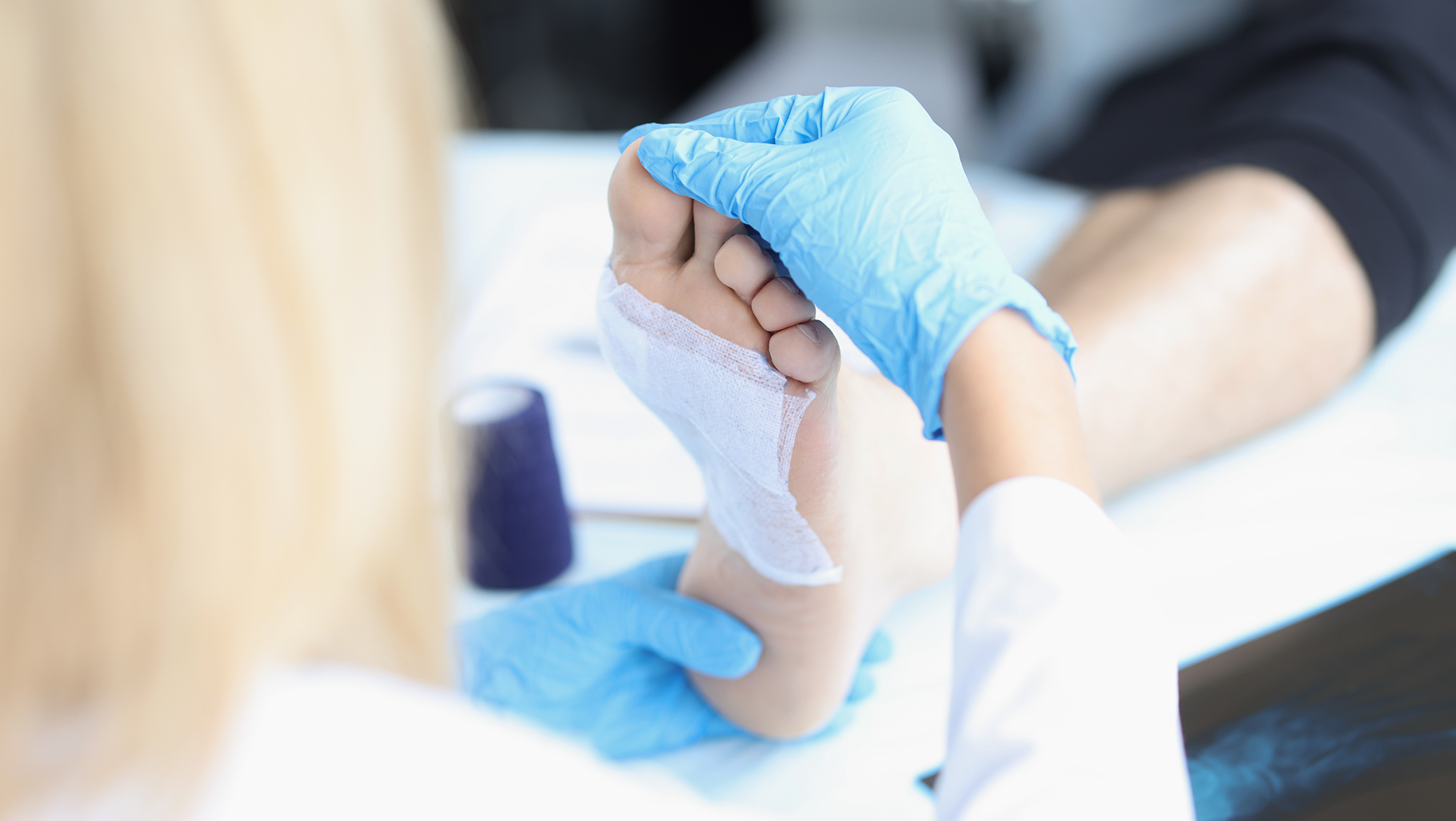
When it comes to healing, misinformation can be as harmful as the injury itself. Old wives’ tales and outdated practices often persist, leading to slower recovery times and less-than-optimal patient outcomes. Effective wound care is grounded in science, yet several common myths continue to influence how both patients and even some practitioners approach treatment. It’s time to separate fact from fiction.
Myth 1: Wounds Heal Faster When Left Open to the Air
This is one of the most enduring myths in wound care. Many people believe that letting a wound “breathe” by exposing it to air is the best way to encourage healing. The idea is that air exposure helps a scab form, which is seen as a sign of recovery.
The Reality: Research has consistently shown that wounds heal more effectively in a moist environment. When a wound is kept moist, cells can migrate across the wound bed more easily, which accelerates tissue regeneration. This process, known as moist wound healing, reduces scarring, minimizes pain, and lowers the risk of infection compared to leaving a wound to dry out. A dry wound forces new cells to tunnel underneath the scab, a much slower and less efficient process. Modern wound dressings are designed specifically to maintain this ideal moist environment, protecting the wound while optimizing the body’s natural healing capabilities.
Myth 2: The More It Stings, the More It’s Working
Many of us grew up with the belief that if an antiseptic like hydrogen peroxide or rubbing alcohol stings, it means it’s effectively killing germs. This “no pain, no gain” mentality is a common misconception that can actually hinder the healing process.
The Reality: While these substances are potent disinfectants, they are also cytotoxic, meaning they are harmful to healthy cells. Applying harsh antiseptics to an open wound can damage the fragile new tissue that is essential for healing, such as fibroblasts and keratinocytes. This cellular damage can delay wound closure and increase the risk of scarring. For most minor wounds, gentle cleansing with mild soap and water or a saline solution is sufficient to remove debris and bacteria without harming the delicate healing tissues.
Myth 3: Collagen Dressings Are All the Same
As regenerative medicine advances, collagen has become a key component in advanced wound care. However, a common misconception is that all collagen-based products offer the same benefits. This leads many to believe that the source or type of collagen doesn’t significantly impact patient outcomes.
The Reality: The effectiveness of a collagen dressing is highly dependent on its formulation, purity, and structure. Collagen provides the structural scaffold for new tissue growth and plays a vital role in every phase of wound healing. High-quality, biocompatible collagen dressings can help manage wound moisture, promote cellular growth, and reduce inflammation. However, dressings with impurities or a less-than-ideal structure may not integrate as well with the wound bed, offering limited benefits. The key is to use advanced, scientifically formulated products that work in synergy with the body’s natural healing mechanisms.
Elevating Care with a Consultative Approach
Navigating the complexities of modern wound care requires more than just advanced products; it demands a partnership approach. True innovation comes from combining cutting-edge solutions with expert guidance tailored to the unique needs of a practice and its patients. This is where a dedicated partner can make a significant difference.
At FritzFinn, we focus on providing superior cellular therapy solutions that are backed by a deep, consultative partnership. We understand that empowering physicians and surgeons with the right tools and expertise leads to better results. Our innovative wound care products, including our advanced collagen dressings and convenient SMARTKITS™, are designed to improve patient compliance and accelerate healing. By working closely with healthcare providers, we help them integrate these solutions to enhance patient outcomes, streamline care delivery, and support the financial health of their practice. We believe in building success together, ensuring every solution contributes to a future of more effective and compassionate care.
———————————————————————————————————————————————-
References, Sources, and Further Reading:
- FritzFinn Website: Information about advanced wound care solutions, including SMARTKITS™ and collagen dressings, was referenced from FritzFinn’s official website. Explore their offerings: FritzFinn Wound Care Solutions
- Moist Wound Healing Research:
- Studies have consistently shown that maintaining a moist environment accelerates wound healing, reduces scarring, and minimizes the risk of infection. For more information, you can explore:
- Collagen in Wound Care:
- Collagen plays a critical role in wound healing by providing a scaffold for new tissue growth. High-quality collagen dressings are essential for effective healing. Learn more:
- Cytotoxicity of Antiseptics:
- The harmful effects of using harsh antiseptics like hydrogen peroxide on wounds are well-documented. For further reading:
- NCBI: Cytotoxicity of Antiseptics
- Cleveland Clinic: Safe Wound Cleaning Practices
- The harmful effects of using harsh antiseptics like hydrogen peroxide on wounds are well-documented. For further reading:
Sorry, the comment form is closed at this time.